Blockchain explainers
Guides to Bitcoin, wallets, DeFi and smart contracts, tagged by level. Start with the basics or go straight to the developer pieces.
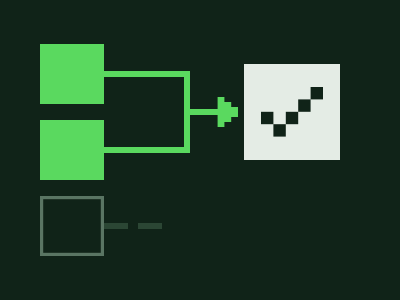
gno.land Validator Guide: Horcrux 2-of-3 Threshold Signing and a Sentry
Field notes from three gno.land testnets: how we split the validator key into three Horcrux shards, wired the cosigners to gno.land's tmkms listener over WireGuard using the gno core team's Horcrux fork, the key-format and permission gotchas, and eight things that cost us blocks before we understood them.
How a Bitcoin Transaction Works, Step by Step
From the moment you tap “send” to the moment the coins are final: what your wallet builds, what the network checks, why fees exist and what “confirmations” really mean.
Wallets, Keys and Seed Phrases: What You Actually Own
A wallet holds no coins. It holds keys. This guide explains private keys, addresses and the 12 or 24 words that back everything up, and the handful of habits that separate people who keep their bitcoin from people who lose it.
Proof of Work vs Proof of Stake, Without the Tribalism
Both systems solve the same problem: letting strangers agree on one history of transactions without a referee. They pay for that agreement in different currencies, electricity or locked capital, and that choice shapes everything else.
Layer 2 Explained: Lightning, Rollups and What “Scaling” Really Means
Base-layer blockchains are slow on purpose. Layer 2 systems move activity off the main chain while borrowing its security, but they borrow it in very different amounts. Here is how to tell a real Layer 2 from a sidechain with good marketing.
How to Read a Block Explorer Like a Developer
Every field on a transaction page means something precise: txid, vsize, sat/vB, script type, locktime, gas used, logs. This guide decodes a Bitcoin and an Ethereum transaction line by line, and shows how to check the same data from your own node.
Smart Contracts Under the Hood: How the EVM Runs Your Code
A smart contract is bytecode at an address with some storage and a balance. This article follows a transaction from the four-byte selector to the final state change, explains why gas is priced the way it is, and walks through the bugs that have cost the most money.
What Is a Blockchain? A Beginner's Guide
A record book that thousands of computers keep in step and none of them can quietly edit. What is inside a block, why a hash makes tampering visible, who checks the rules, and what a blockchain is bad at.
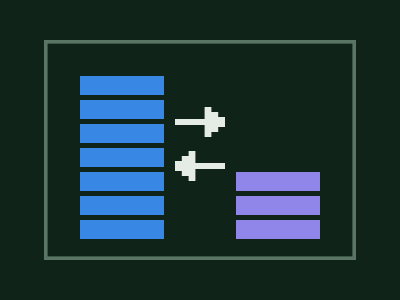
DeFi Explained: Decentralized Finance in Plain Language
Trading, lending and borrowing through programs on a blockchain instead of through a company. The three building blocks, where the yield actually comes from, and the ways people lose money, in the order they happen most.
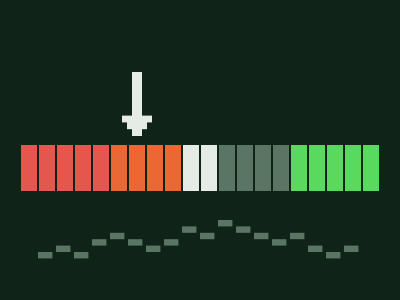
Crypto Fear & Greed Index: What It Measures and What It Misses
A daily 0 to 100 score for the mood of the Bitcoin market. What the six inputs are, why half the score is recent price action in another form, and how to use it without reading more into it than is there.